

As sustainability becomes a larger priority across the apparel industry, companies are investing in technologies that can reduce waste while building more resilient supply chains. One area drawing increased attention is textile recycling, particularly for synthetic materials that have traditionally been difficult to recover and reuse.
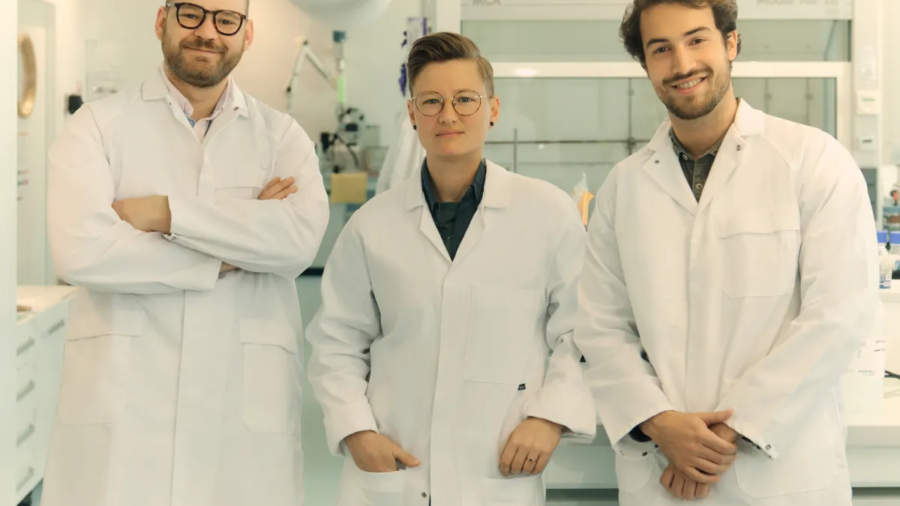
French startup Syntetica has raised $30 million in Series A funding, with participation from Lululemon, to accelerate the commercialization of its nylon recycling technology and expand production capabilities.
The round was led by Bpifrance’s Ecotechnologies 2 fund, with additional backing from EQT Ventures, SWEN Capital Partners, MAS Holdings, and other private investors. The funding will help Syntetica scale its technology and strengthen partnerships across the global apparel industry.
Addressing One of Fashion’s Toughest Recycling Challenges
Founded by Marco Bertone and Louis Monsigny, Syntetica has developed a process that can recycle both Nylon 6 and Nylon 6,6—two materials commonly used in clothing but traditionally difficult to separate and recycle together.
Instead of producing finished textiles, the company converts textile waste into recycled nylon pellets that can be used by manufacturers to produce new yarns and fabrics. This approach allows Syntetica to integrate directly into existing textile supply chains without requiring brands to redesign their manufacturing processes.
Building Partnerships Across the Supply Chain
Syntetica has already established partnerships with several apparel companies, including Lululemon, Victoria’s Secret, Etam, and manufacturing partner MAS Holdings.
The company has also partnered with Michelin’s Center for Sustainable Materials to develop a commercial demonstration facility in Clermont-Ferrand, France, marking an important step toward industrial-scale production.
According to CEO Marco Bertone, the company’s strategy focuses on creating commercially viable recycling solutions that are both scalable and cost-competitive, helping brands adopt circular materials without significant cost increases.
Scaling Sustainable Manufacturing
The new funding will be used to increase production capacity and demonstrate the ability to manufacture hundreds of tons of recycled nylon pellets annually.
Long term, Syntetica plans to establish production facilities near major textile manufacturing hubs and waste collection centers, allowing recycled materials to move more efficiently through regional supply chains.
The company has also received support from the European Innovation Council (EIC) and France’s France 2030 initiative, reflecting broader efforts to strengthen sustainable industrial technologies across Europe.
Growing Momentum Behind Circular Fashion
The investment highlights growing interest in technologies that support circular manufacturing as fashion brands seek to reduce waste, improve resource efficiency, and diversify material sourcing.
For Lululemon, the investment continues a broader strategy of supporting textile innovation, following previous investments in recycling companies including Epoch Biodesign and Samsara Eco.
As demand for sustainable materials continues to increase, companies developing scalable recycling technologies are expected to play a larger role in reshaping the future of apparel manufacturing.