

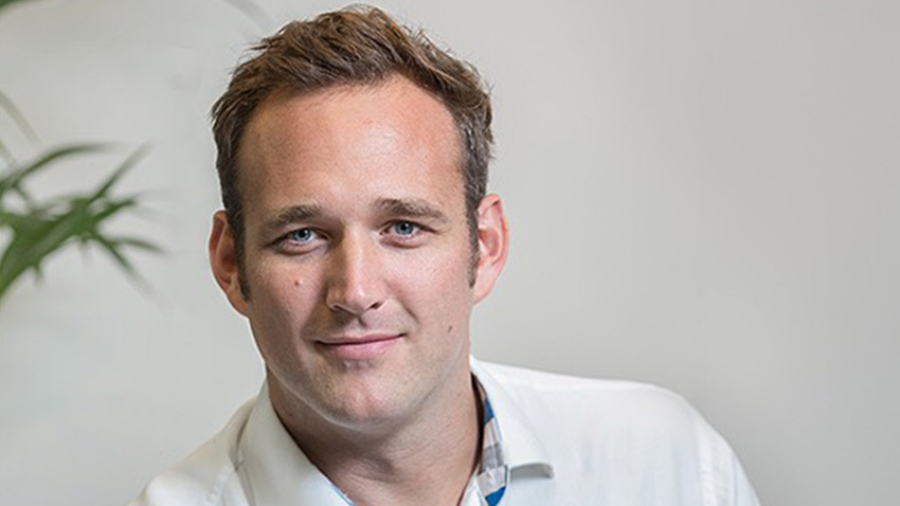
Veteran channel executive James Bergl has re-entered the frontlines of the tech ecosystem with a mission: helping managed service providers (MSPs), SaaS firms, and IT vendors build high-impact sales teams and scalable go-to-market engines—before it’s too late.
Now serving as Managing Director of Bluebird Talent, a global recruitment and advisory firm focused on the SaaS and IT services space, Bergl is leveraging his deep experience from leadership roles at Datto, Pax8, N-able, and Cisco to guide tech businesses on how to build—and retain—high-performing commercial talent.
Founded by former SolarWinds Netherlands director Machiel Kunst, Bluebird Talent connects sales, marketing, customer success, and product candidates with roles at high-growth tech vendors. With its recent U.S. expansion, the firm is scaling its advisory and recruitment footprint to meet surging demand for go-to-market support.
“The A/NZ team, together with our colleagues over in Europe, have built a strong reputation by helping the tech ecosystem find and grow top talent,” Bergl said. “Now we’re bringing that same energy, expertise and network stateside.”
A Market at a Tipping Point
Through his work with MSPs, SaaS companies, and technology service providers (TSPs), Bergl sees recurring patterns—especially when it comes to sales enablement failures.
“A lot of companies blame the salesperson when things don’t work out,” he told ARN. “But in reality, 50% of the failure lies with the business. If you’re not setting the foundation—lead gen, onboarding, enablement, comp plans—you’re setting people up to fail.”
Bergl emphasized that many MSPs hire prematurely, expecting BDMs or sales directors to “just go out and sell,” even when there’s no real lead flow, market validation, or product–market fit in place.
“Hiring a salesperson without leads is basically hiring an expensive lead generator,” he explained. “If your company isn’t getting referrals or inbound interest, it’s a signal something deeper is broken—either the product, positioning, or client experience.”
Instead of defaulting to full-time hires, Bergl advises earlier-stage companies to consider outsourced sales development (SDR) agencies, marketing campaigns, and customer referral programs to validate traction first.
Foundations for Sales Readiness
If a business is sales-ready, the next step is to build a 30–60–90 day onboarding plan with clear metrics, enablement tools, and internal champions.
“Too often, MSPs assume experience equals readiness,” said Bergl. “But every business is different, and sellers need internal education, co-selling support, and onboarding systems.”
He encourages companies to build enablement programs—even if that means hiring someone temporarily to create training materials or checklists.
The commission structure, he warns, is another common pitfall.
“Some plans are so complex you need a PhD to understand them,” he said. “Others are so unrealistic they demotivate even the best reps. If salespeople can’t succeed, they’ll either leave or manipulate metrics to appear successful.”
Leadership oversight is just as critical. Many small businesses hire BDMs but fail to provide ongoing coaching, 1:1 check-ins, or pipeline reviews. Bergl recommends hiring fractional sales managers if full-time oversight isn’t feasible—especially during the first few quarters.
Why It Matters Now
Beyond operational efficiency, Bergl points to a larger existential shift in the MSP and SaaS ecosystem. As larger players consolidate the market and VC-backed rollups gain traction, smaller players risk being squeezed out if they don’t differentiate or scale up.
“You have two options,” he said. “Either fight and build a differentiated brand, or build your business to sell. Either way, you need a repeatable sales system that works without the founder.”
Owner-dependence, he argues, is one of the biggest risks to business continuity and valuation. Buyers want scalable, independent operations—not personality-driven pipelines.
“If you’re not growing, you’re shrinking,” said Bergl. “And if you don’t have a sales engine, you’ll be invisible in a world where bigger competitors have stronger brands, lower pricing, and more resources.”
In short: Sales isn’t just about closing deals—it’s about strategic resilience.